Design & mobility A personal history
The
Microcar
Story.
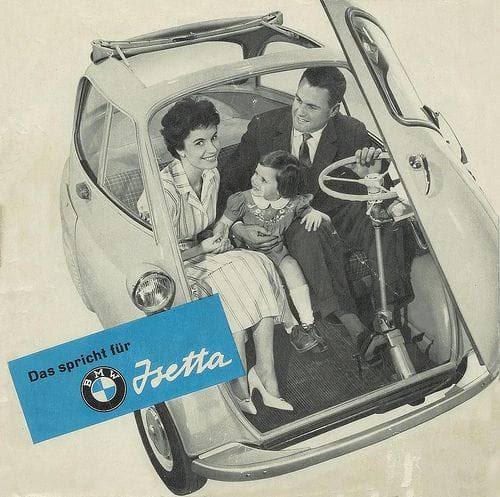
Vintage BMW Isetta advertisement · supplied image
After spending a good part of the first half of 2026 reading, looking at data and talking to over 200 people about microcars, I wanted to share the story of how the “microcar” came about.
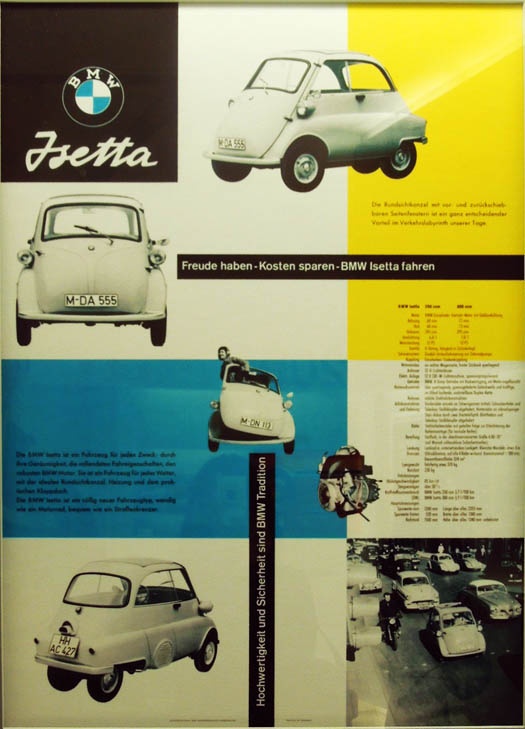
Let’s start with a cute little thing from the ’50s called the Isetta. It had a truly unique design. The door is at the front, with a very cool mechanism that moves the steering wheel out of the way as you open it. Behind you sat a single-cylinder motorcycle engine (298cc and a top speed of around 50mph).
You can still see one at the National Motor Museum in Beaulieu, Hampshire. And for a sense of prices, the restored example I looked at now shows a winning auction bid of £22,200.
Supplied image
It looks like what you might expect a concept car to look like. Except this actually went into production, and people bought it in serious numbers.
Listen to this: amid fears about fuel supplies after the Suez crisis of 1956 (sound scarily familiar?), bubble cars aka microcars rose in popularity. Materials were already scarce, people needed affordable transport, and something small and cheap to run made sense amid political uncertainty, fuel worries and the cost of getting around.
The Isetta was originally made by the Italian company Iso, which introduced it in 1953. It didn’t sell particularly well at first. Then a struggling German car brand called BMW licensed the design, fitted its own motorcycle engine and found a much bigger audience. It became an important lifeline for the company. BMW built around 161,000 Isettas between 1955 and 1962.
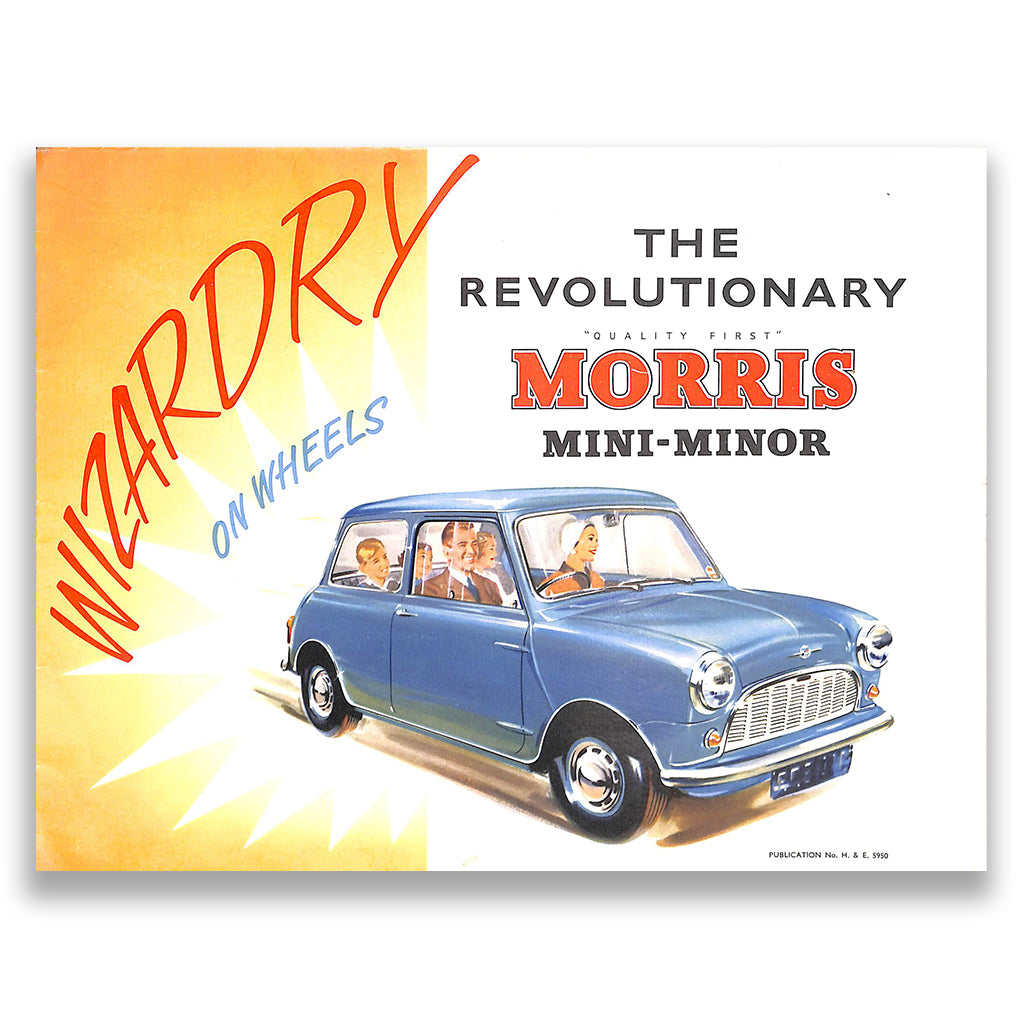
Morris Motors / scan via Motormedia
Then another icon arrived in 1959: the Mini. Here was a car with room for four adults inside an exceptionally small body. This made the bubble car’s compromises harder to accept. If you could get an affordable small car that carried the family, the two-seater had a tougher job convincing you.
So “small cars” gradually took some of the attention away from the microcar craze. But the microcar kept on going.
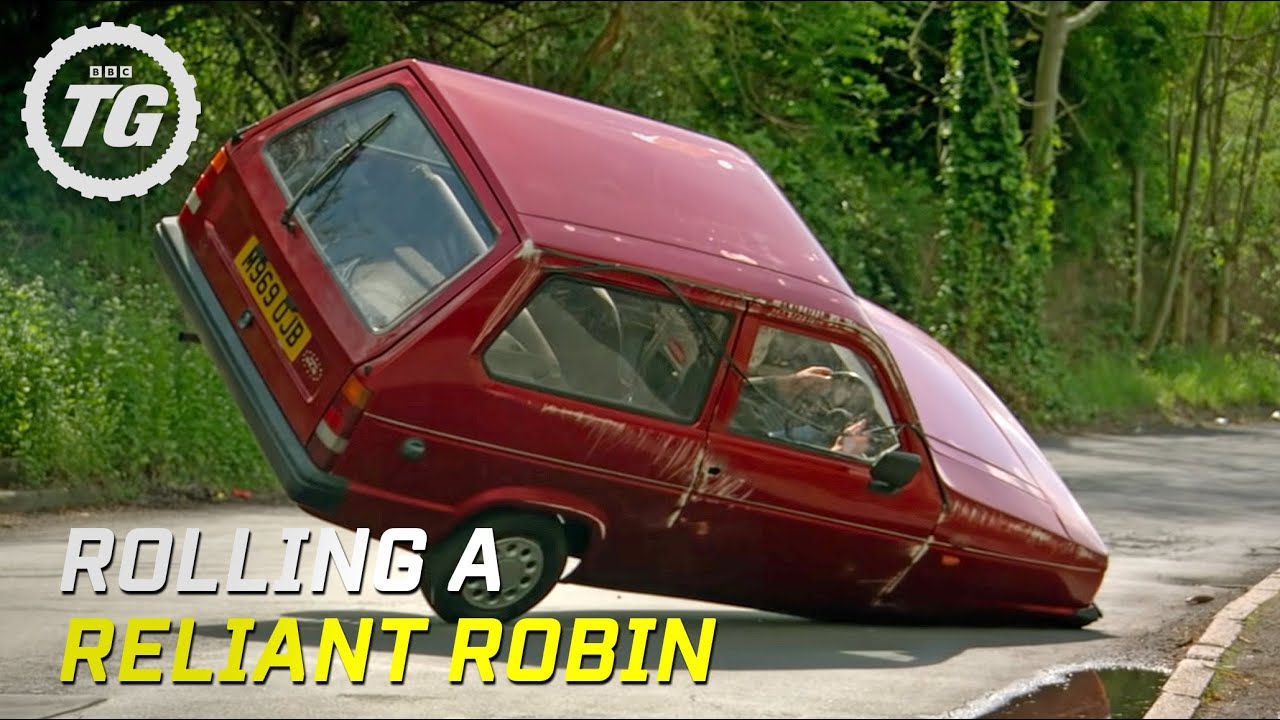
Top Gear / BBC Studios · video thumbnail
The French came onto the scene in the 1970s and ’80s, with Ligier, followed by the Microcar brand and Aixam a few years later. This is also the period where safety became a bigger concern in the automotive industry. Some companies kept developing lightweight vehicles while the rest of the industry was busy elsewhere, where there was more money to be made.
This is also where “microcar” and “quadricycle” start getting used together, although they mean different things.
Microcar is a general description of a very small car.
Quadricycle is a formal vehicle category with its own limits on things like weight and power.
And that brings us to the watch company.
Nicolas Hayek, the man behind Swatch, wanted to bring some of the brand’s colour, character and production thinking to a small city car. Mercedes-Benz had already been working on compact urban vehicles, and the two came together in a joint venture in 1994.
Actually, the name smart comes from S (Swatch), M (Mercedes) and Art (representing creative design).
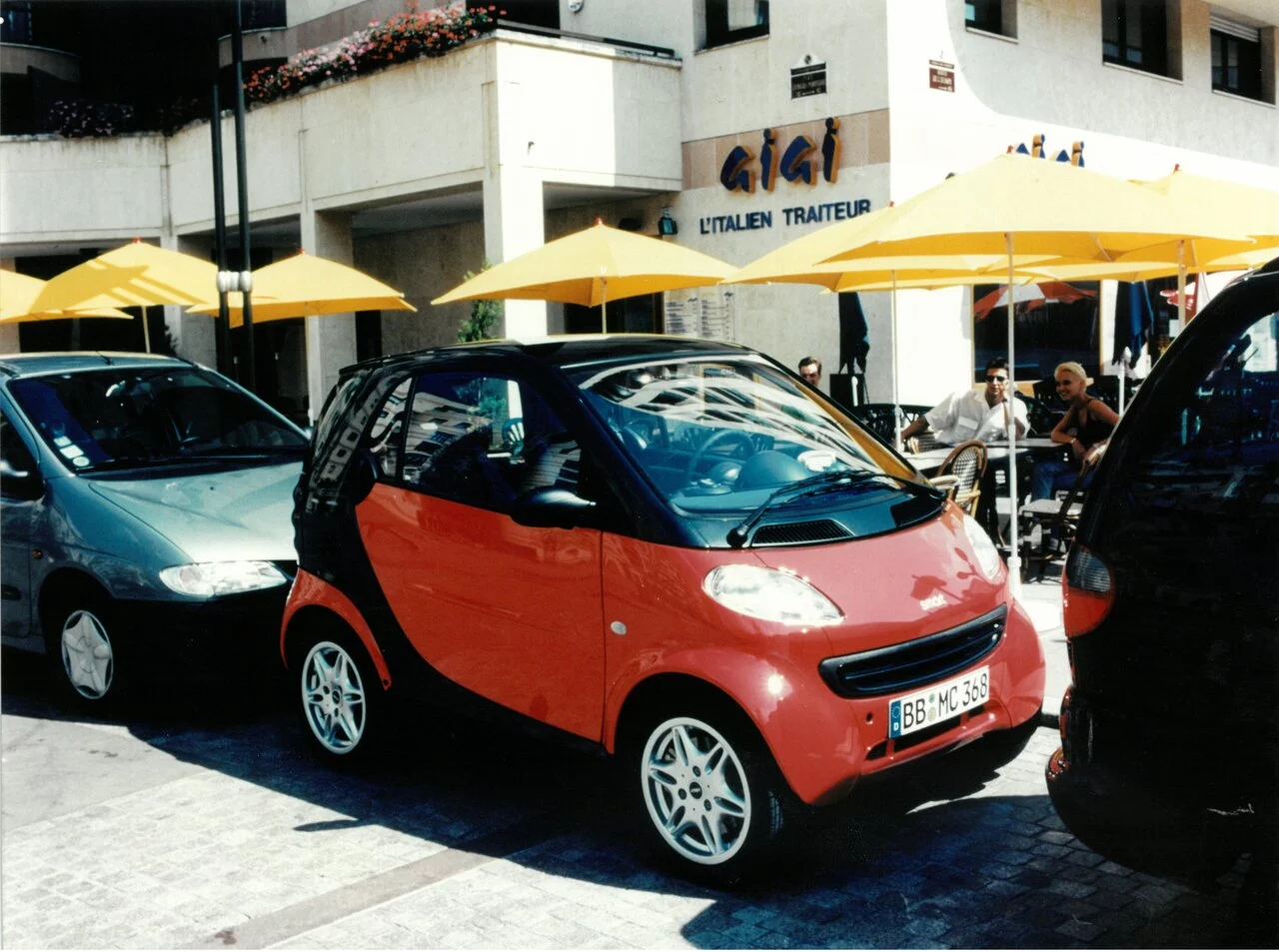
Mercedes-Benz Classic / smart Newsroom
The smart city-coupé was unveiled in Frankfurt in 1997 and went on sale in 1998. Suddenly, the two-seater had a recognisable modern face. It made “intelligent use of space” (one of the tenets of the smart brand), but it also had personality. It quickly became a part of popular culture and automotive history. It had a very good run. But by the early 2020s, the business of making inexpensive little cars was becoming harder. Buyers wanted better equipment and greater comfort, manufacturers had development and compliance costs to cover, and there was only so much they could charge for a small car.
At the same time, crossovers were attracting customers and offering manufacturers better margins. Companies put more attention into those vehicles and withdrew some of their cheapest models. With fewer affordable choices, buying a little car became less straightforward. Sales suffered as European city-car registrations fell 27% in the first half of 2022 compared with the same period in 2021. That was also a period of wider supply shortages.
smart was also changing direction. In 2019, Mercedes-Benz and Geely formed a new joint venture, which decided that future smart models would be electric, manufactured in China, and the range would expand into larger vehicles. The company was rebuilding its business around a different set of products. So the original fortwo finally left production in March 2024.
Now, with the world facing pressures much like those of the ’50s, we’re looking at another round of micro and small cars.
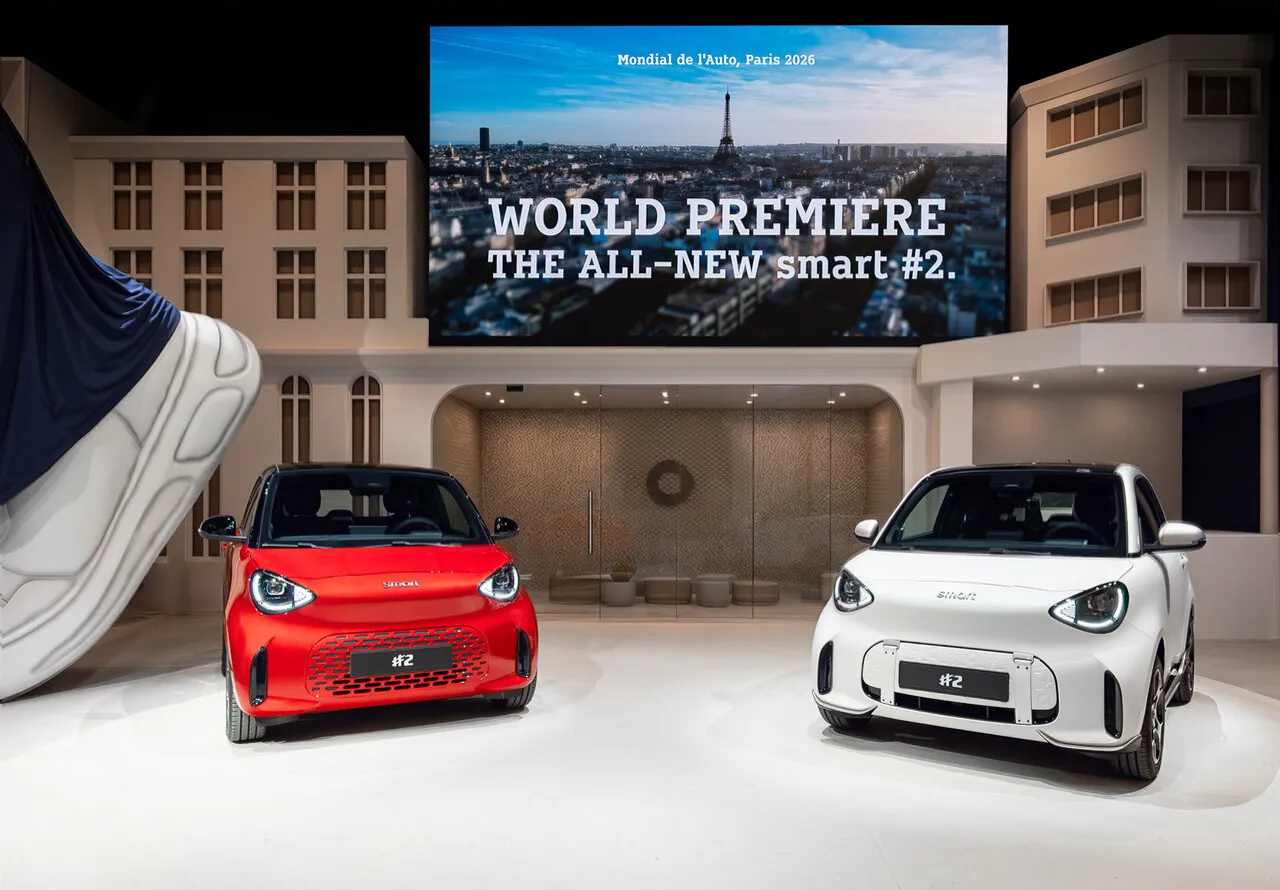
From my smart launch portfolio · Imagery: smart
smart unveiled its new #2 two-seater in Paris in October 2026. Renault has brought back the Twingo as an electric car, Citroën has shown a new 2CV Concept, and VW has a production version of the ID. EVERY1 on the horizon. The small-car idea is getting attention again, in several different forms. Whether this round lasts, though, is still an open question. A small car has to make sense to buy and live with. But the more I researched, the more familiar the story felt. People want to get around without spending a fortune, using more energy than necessary or struggling to find somewhere to park.
All in all, it was truly an honour to be part of the smart #2 launch and to welcome its return to the Paris Motor Show.